I make sense and engage meaningfully with digital texts when they are multi-modal and collaborative by testing the test and figuring out how to navigate the text effectively. I do this mainly through trial and error and spending time interacting with the text figuring out the different components and interactive elements of the digital text.
I have tinkered with interactive digital resources on a variety of social media platforms (Facebook, Instagram, and Twitter) as well as professional platforms like google docs/slides. In using these text and the variety of ways information is portrayed I find very interesting. For example the character count on Twitter 280 and to get one's point across compared to Facebook where vastly more charters can be used is a great accomplishment. As well as the use of multimedia aspects like images, video, gifs are incorporated to enhance the message in another way. Hinrichsen and Coombs state that; “Meaning making practices in digital texts are more likely to be multi-modal (Kress 2003). The existing purposes and conventions of digital texts are not always rigidly defined and can be subject to rapid metamorphosis or splintering; reading and creation practices may, therefore, be similarly fluid.” This demonstrates the changes in digital texts and the fluidity of technology over time, always changing and adapting. I hope to continue to use a plethora of social media platforms to enhance my digital learning experiences, especially with interactive resources like social media sources and professional platforms.
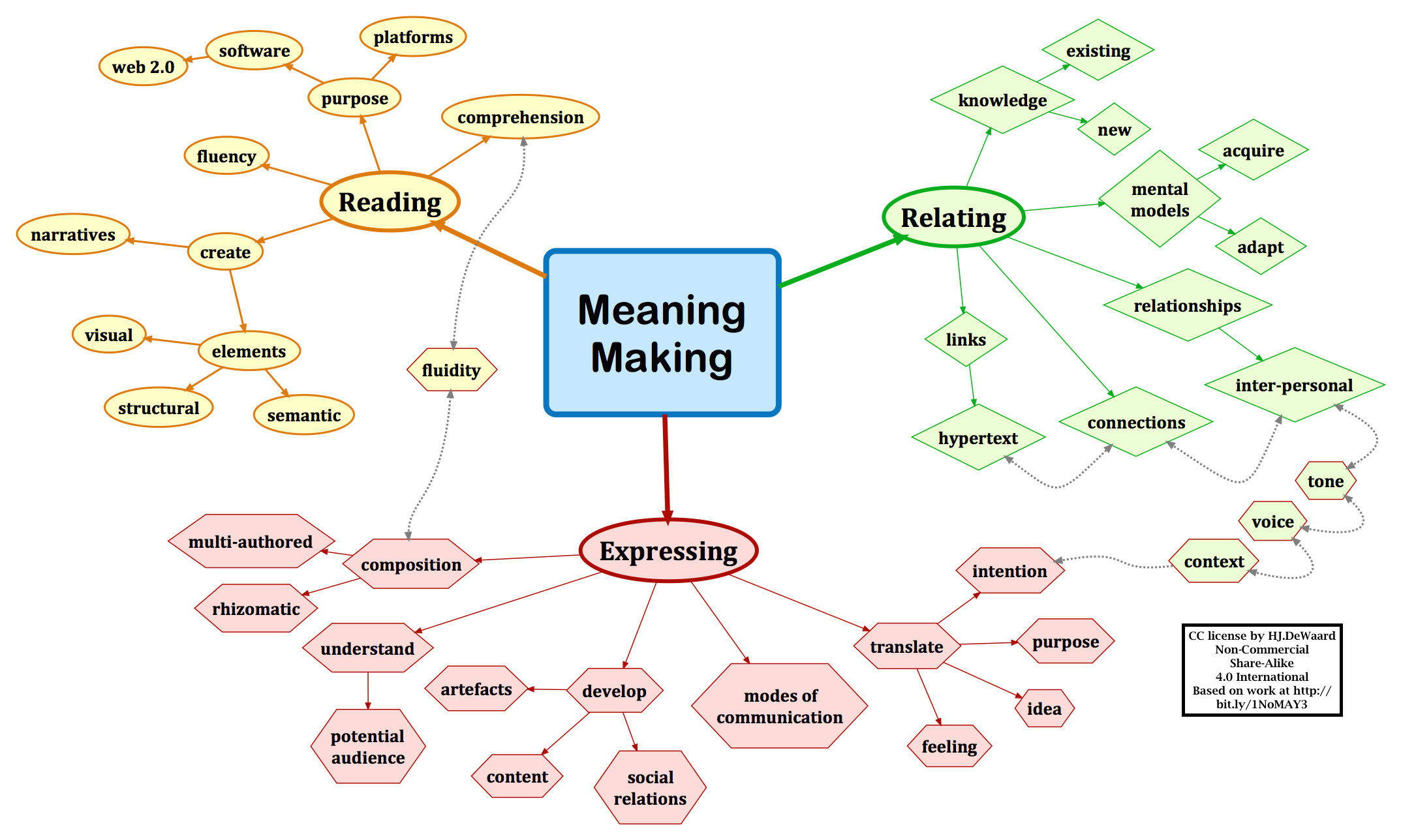
Creating interactive texts would help an audience to reach a wider learning style. Both visually, auditory, and kinetically through the use of different modules to understand what is being applied and taught. I personally, find messages more effective when images are included. The correlation between images and text has a strong impact on the reader. Last year I took a class about Children’s literature, one of the topics we discussed was the importance of images in picture books and the emotional response this can draw from the reader. A meme would not be relatable or effective if either the text or image was missing. Both components are vital, the text alone would not provide context and the image alone would not have any basis for satire or humour. Connections between texts and other sources would help with the three main ways of making meaning, through reading, relating and expressing. Using interactive texts can also impede the message by making it more complicated than it should be and the audience not being able to navigate that interactive text.
References
Hinrichsen, J., & Coombs, A. (2013). The five resources of critical digital literacy: A framework for curriculum integration. Research in Learning Technology, 21, 1-16.
You mention how you personally make sense of digital texts through trial and error, exploration and interactions. This is one way to meaningfully engage with multimodal materials. Correlating images with text can certainly enhance a message. Adding video or audio can enrich the message while deepening understanding. You hint at how this can also impede understanding - particularly when there are too many modalities or too many options. Hinrichsen and Coombs have certainly extended my thinking about critical digital literacies by exploring the concepts of code breaking and meaning making. Thanks for sharing your insights and experiences.
ReplyDeleteHelen
The connection you made with your previous course really does make sense. The cliche "a picture tells a thousand words" comes from that type of concept. Its important especially when trying to teach to children. Not only do pictures and digital materials help to further explain some topics, but they also help when trying to maintain the attention of the audience. Mind maps are a great way of visually showing connections from one thing to another as well as seeing the broader scope of things.
ReplyDeleteKatherine
Katherine I wholeheartedly agree with you comments. Visual aids are essential to maintain the attention of the audience and aid the understanding of the student. I agree mind maps are a great tool that allow the viewer to visualize the connections while seeing the broader scope of the topic. Along with mind maps, diagrams and charts seem to be similar to this method of organizing thoughts and concepts like Venn Diagrams or T-charts. Visuals are so important when teaching and learning for connections between text and images to be made.
Delete